Reflections, Relationships
Sometimes, it can just be really hard to appreciate our time. And then we make ourselves guilty for not appreciating our time.
After my Dad died unexpectedly at 60, I’ve really tried to appreciate my time more – but how do you appreciate something that feels like it’s endless and plentiful?
But really, how much time do you have left? With yourself, with your parents, with your friends?
Turns out, that really the wrong question. Although we live in a society focused on calendars, clocks, and hours in the day, that’s not how many of us actually live our lives.
We actually live our lives through experiences. Through seasons. Through evenings with friends, family reunions, annual ski trips, July 4ths, etc.
A great article by WaitButWhy got me thinking about this, especially when it comes to the remaining time with our parents.
Here’s a handy photo from the WaitButWhy Article:
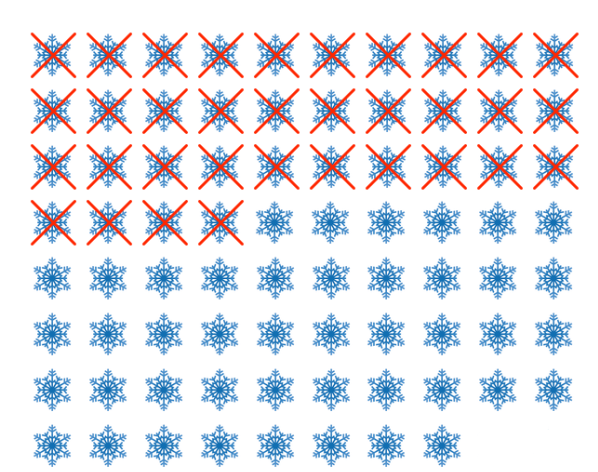
Imagine you’re 34 and you’ve gone skiing with your family and more specifically, your parents every year since you were 4. Your parents are 30 years older (64) than you, and everyone typically lives to 78. And by age 70, everyone stops skiing because it’s too dangerous.
You absolutely LOVE these trips. And now, all of a sudden, you realize you have 14 more family ski trips with your mom and dad. And you only have 26 more trips before you have to stop because you’re too old.
You have used up nearly 70% of your ski trips with your parents.
How does that change your perspective?
So, the question becomes – are you satisfied with your experiences if it all ended sooner than you thought? Even sooner than the averages?
I know, this is a dumb question. This sounds like some millennial ‘YOLO’ stuff. We can’t just live our lives enjoying every moment right?
Right, life is tough, full of challenges but also ‘opportunities’, you’re born, you pay taxes, and then you die. Sounds awesome. Enjoy that!
I’m not trying to advocate for some euphoric bliss, just simply joy and content with what you have – in this moment, right here, right now.
If you’re feeling dissatisfied and unfulfilled, it’s not just going to magically disappear.
And if you’ve been feeling this way for a while, it’s not just going to change at the blink of an eye, because you quit your job or because you broke up with your SO.
It’s going to come from a change in perspective, a change in being, and a change in environment.
Now, that might sound pretty hard. Who wants to go through all that change?
But seriously…isn’t your life worth it? How much is your life worth to you?
Well that’s the problem – when you’re not enjoying your life and you feel like your just surviving it day by day, you actually come to not value your life. You actually see it as less valuable.
And that’s where the incredible value of coaching comes from. It’s incredibly rare to catapult yourself from just surviving to loving life.
I’ve met countless people who have told me point blank that they hate their life and felt like they were barely surviving. I’ve personally fet that way over the years.
And the only thing that gets you from the depths of despair (or just simply a feeling of boredom and monotony) is a change.
Know your true value and worth. You are an incredible person. Always have been and always will be.
Don’t waste your life. Get back to living and loving with everything you’ve got.
After my Dad died unexpectedly at 60, I’ve really tried to appreciate my time more – but how do you appreciate something that feels like it’s endless and plentiful?
But really, how much time do you have left? With yourself, with your parents, with your friends?
Turns out, that really the wrong question. Although we live in a society focused on calendars, clocks, and hours in the day, that’s not how many of us actually live our lives.
We actually live our lives through experiences. Through seasons. Through evenings with friends, family reunions, annual ski trips, July 4ths, etc.
A great article by WaitButWhy got me thinking about this, especially when it comes to the remaining time with our parents.
Here’s a handy photo from the WaitButWhy Article:
Imagine you’re 34 and you’ve gone skiing with your family and more specifically, your parents every year since you were 4. Your parents are 30 years older (64) than you, and everyone typically lives to 78. And by age 70, everyone stops skiing because it’s too dangerous.
You absolutely LOVE these trips. And now, all of a sudden, you realize you have 14 more family ski trips with your mom and dad. And you only have 26 more trips before you have to stop because you’re too old.
You have used up nearly 70% of your ski trips with your parents.
How does that change your perspective?
So, the question becomes – are you satisfied with your experiences if it all ended sooner than you thought? Even sooner than the averages?
I know, this is a dumb question. This sounds like some millennial ‘YOLO’ stuff. We can’t just live our lives enjoying every moment right?
Right, life is tough, full of challenges but also ‘opportunities’, you’re born, you pay taxes, and then you die. Sounds awesome. Enjoy that!
I’m not trying to advocate for some euphoric bliss, just simply joy and content with what you have – in this moment, right here, right now.
If you’re feeling dissatisfied and unfulfilled, it’s not just going to magically disappear.
And if you’ve been feeling this way for a while, it’s not just going to change at the blink of an eye, because you quit your job or because you broke up with your SO.
It’s going to come from a change in perspective, a change in being, and a change in environment.
Now, that might sound pretty hard. Who wants to go through all that change?
But seriously…isn’t your life worth it? How much is your life worth to you?
Well that’s the problem – when you’re not enjoying your life and you feel like your just surviving it day by day, you actually come to not value your life. You actually see it as less valuable.
And that’s where the incredible value of coaching comes from. It’s incredibly rare to catapult yourself from just surviving to loving life.
I’ve met countless people who have told me point blank that they hate their life and felt like they were barely surviving. I’ve personally fet that way over the years.
And the only thing that gets you from the depths of despair (or just simply a feeling of boredom and monotony) is a change.
Know your true value and worth. You are an incredible person. Always have been and always will be.
Don’t waste your life. Get back to living and loving with everything you’ve got.
0

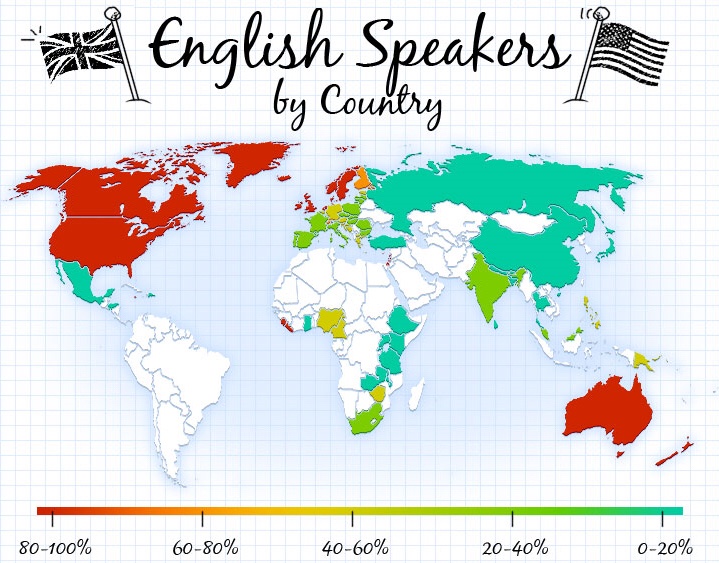 Sources: https://www.pri.org/stories/2014-10-06/how-did-english-become-language-science http://www.antimoon.com/forum/t14010.htm https://www.lingualearnenglish.com/blog/tips-to-learn-english/10-reasons-english-important-language/ https://www.linguisticsociety.org/content/how-many-languages-are-there-world http://www.stgeorges.co.uk/blog/learn-english/how-many-people-in-the-world-speak-english
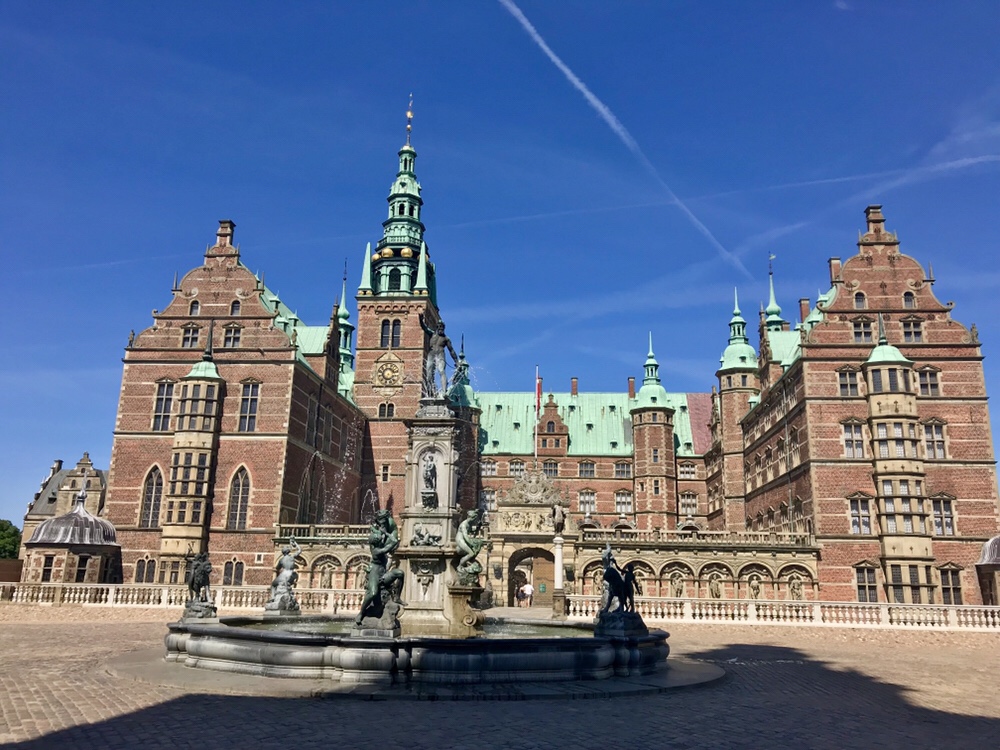
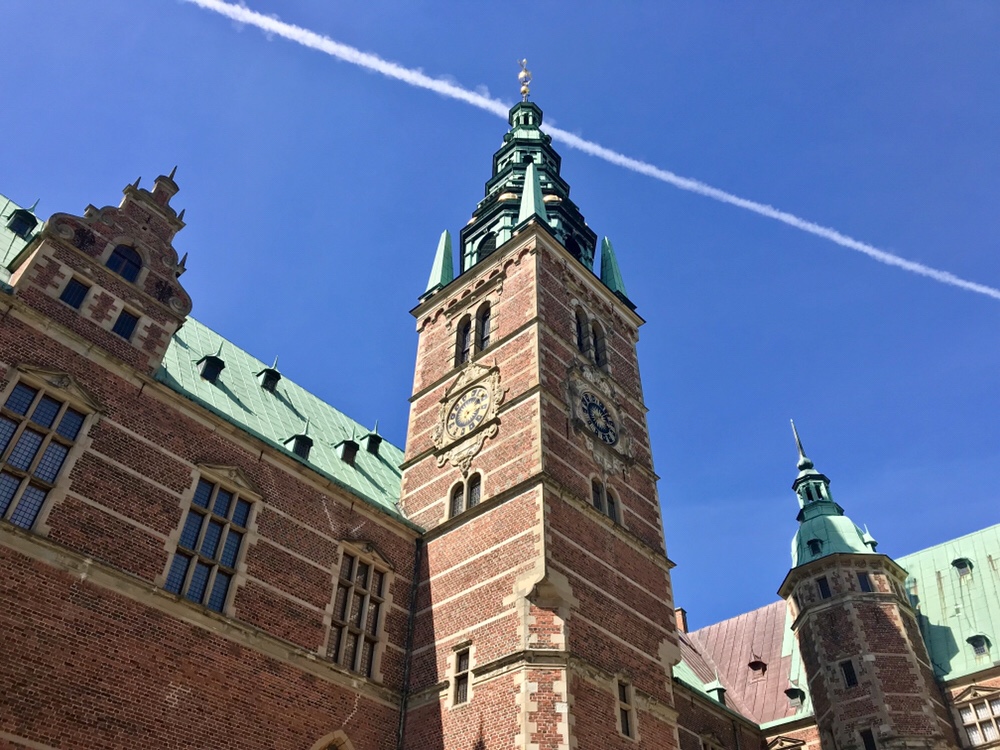
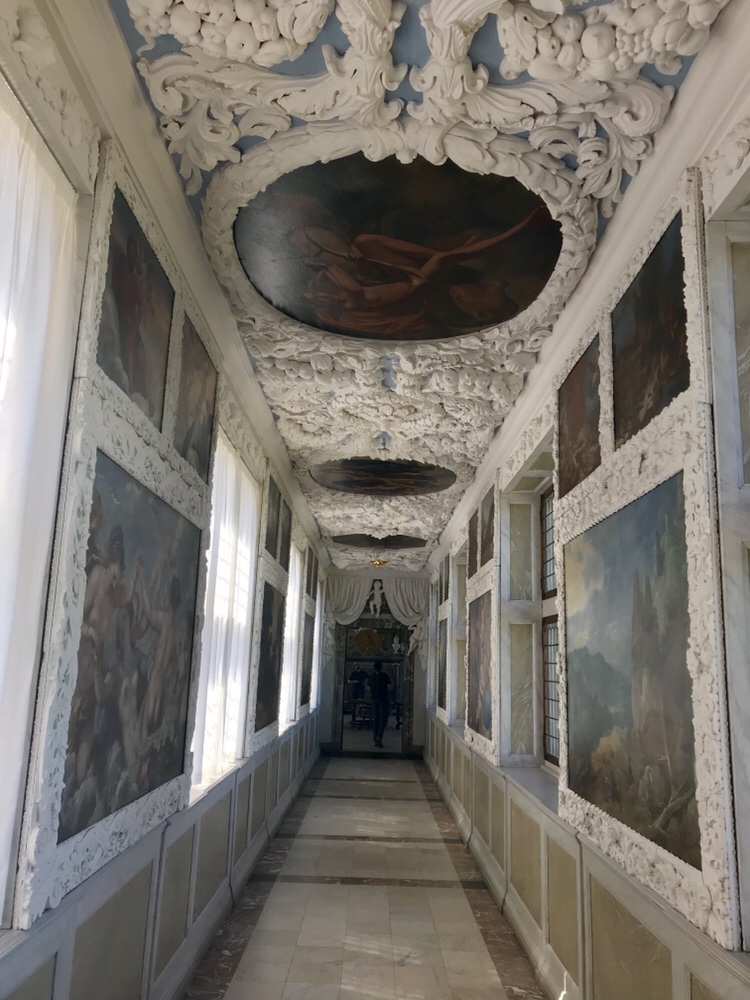
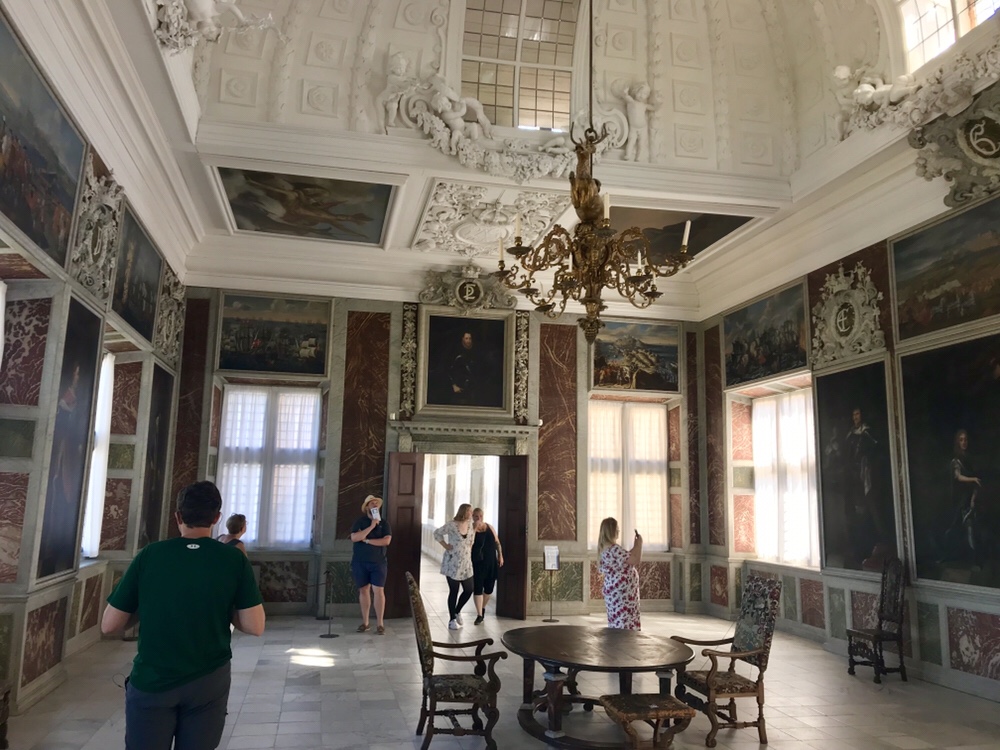
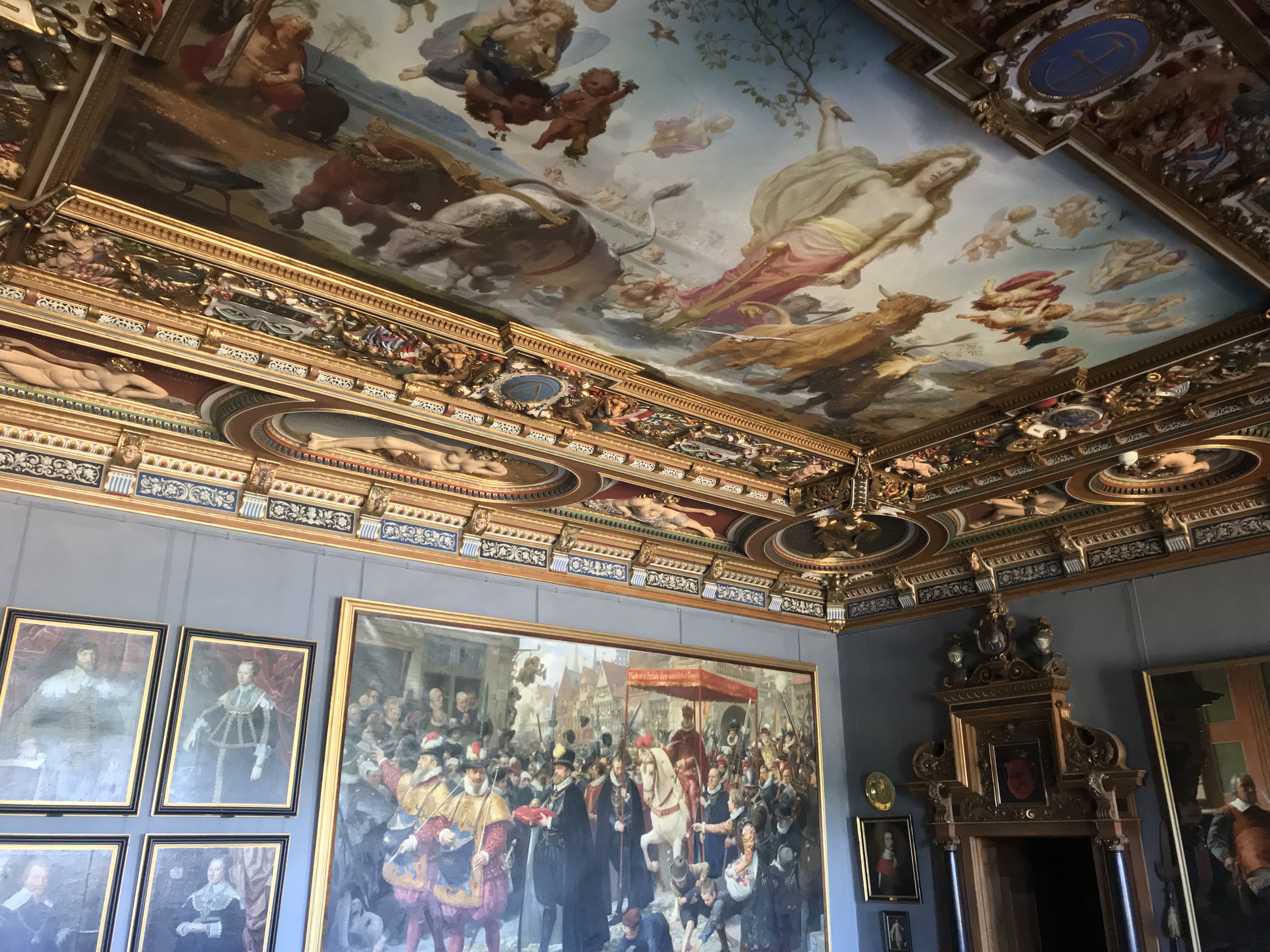
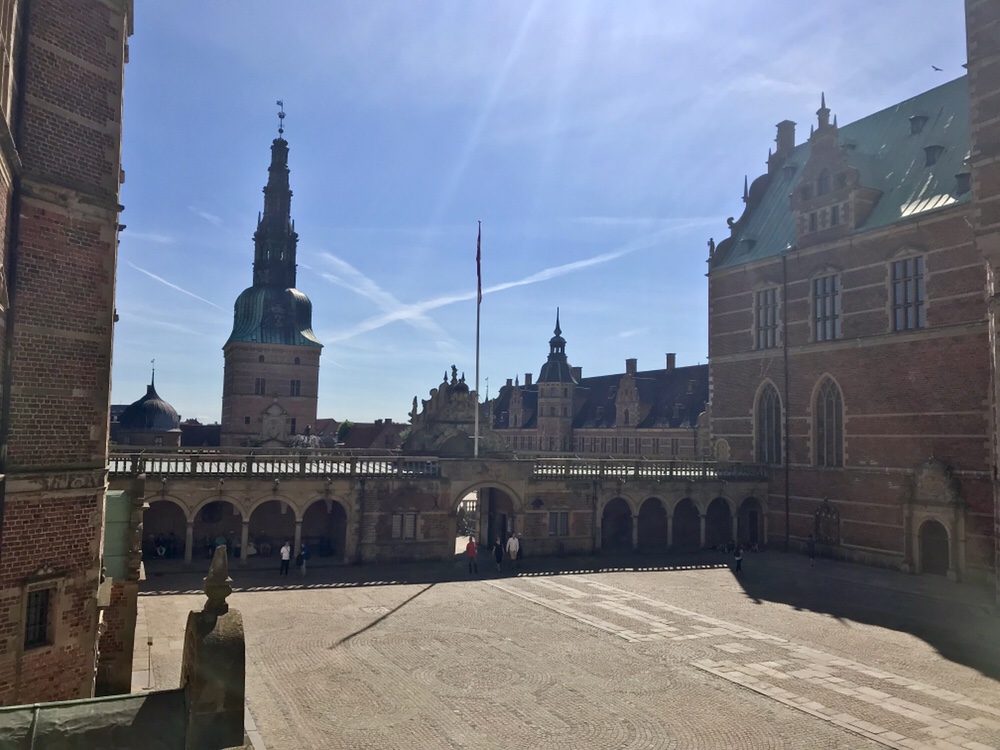
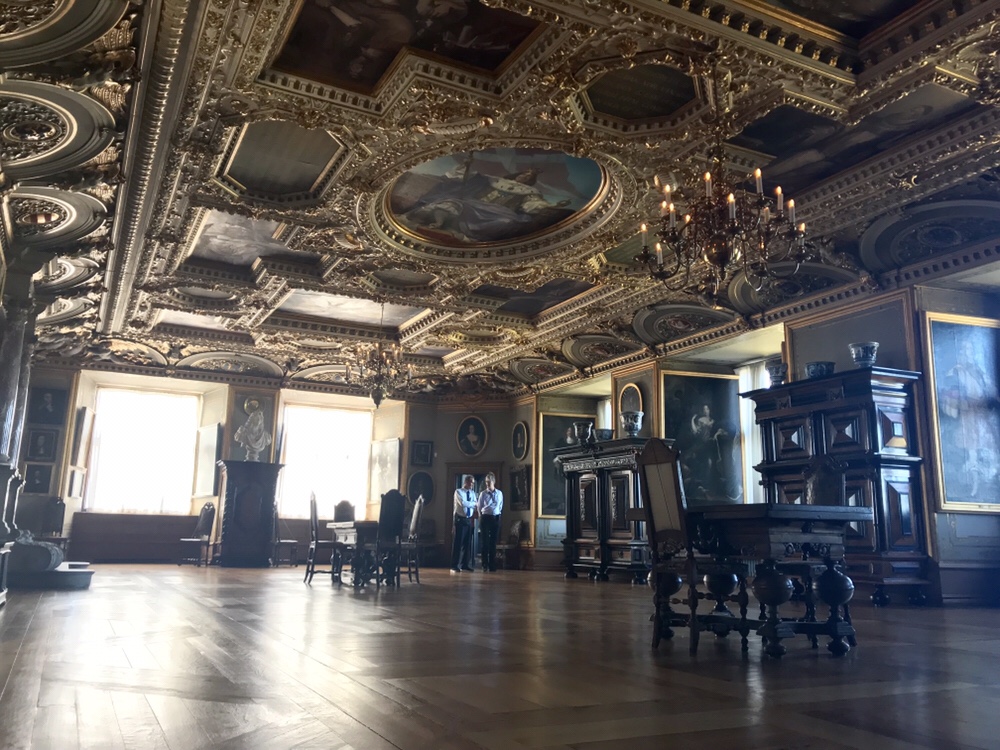
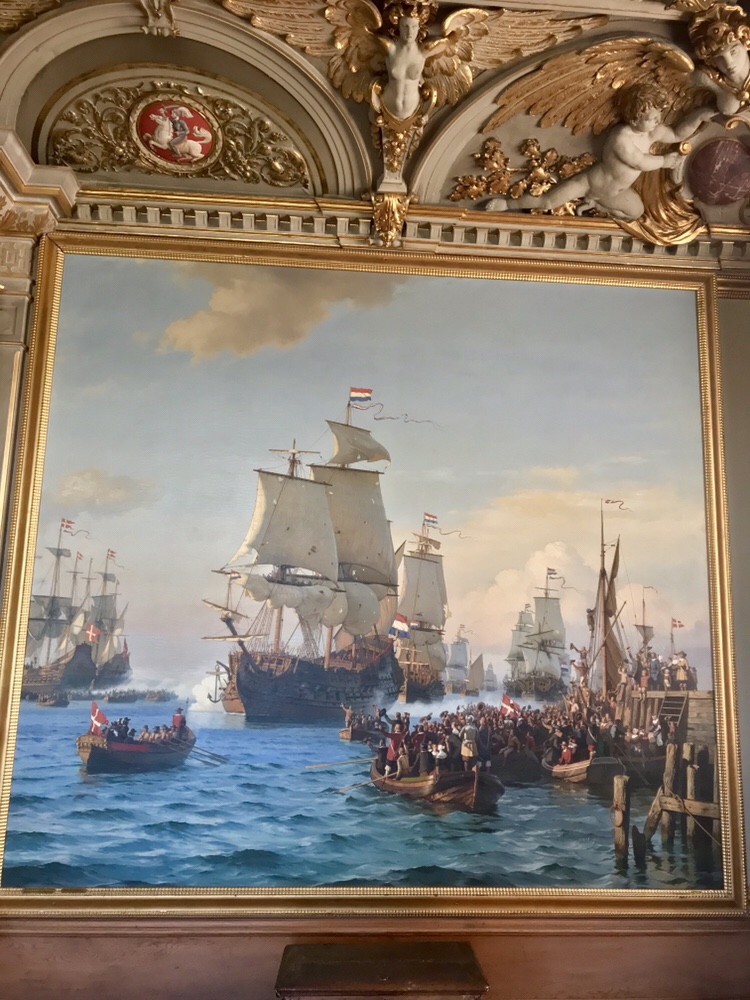
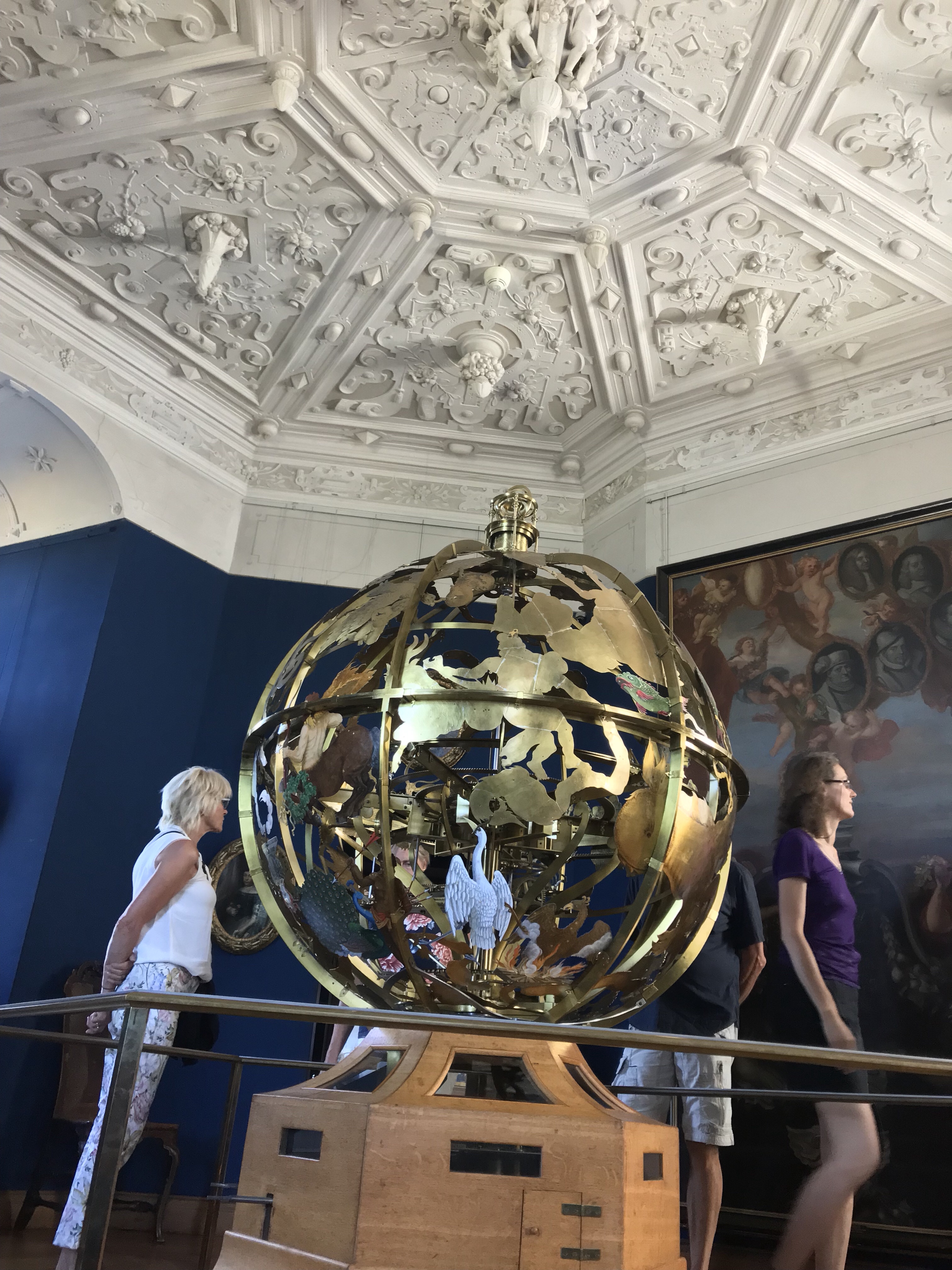
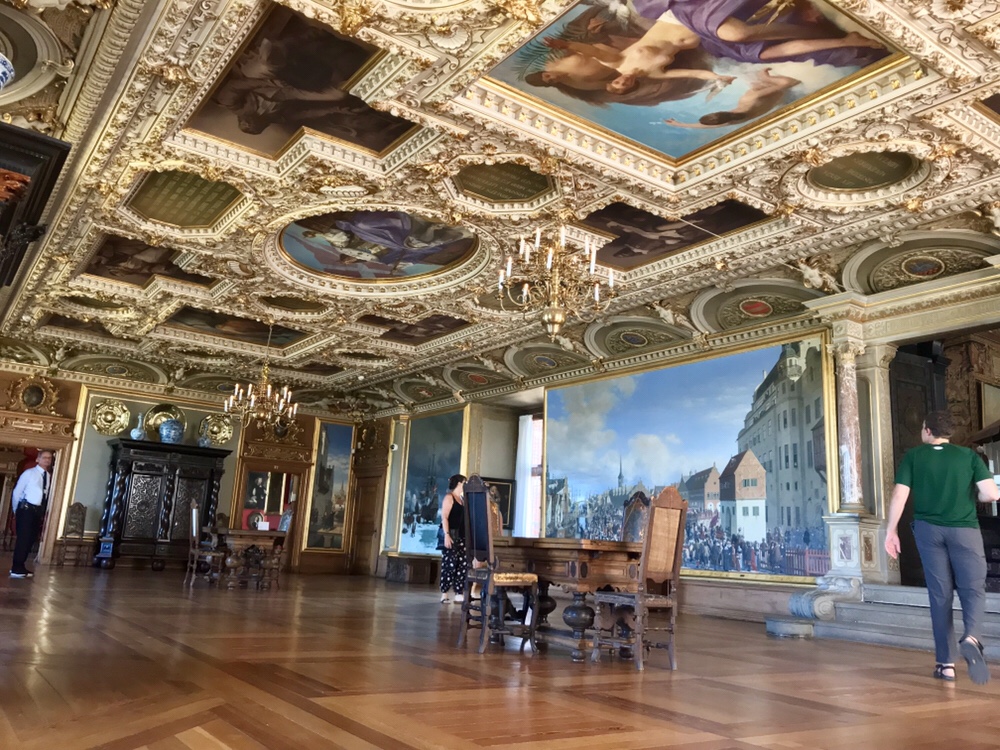
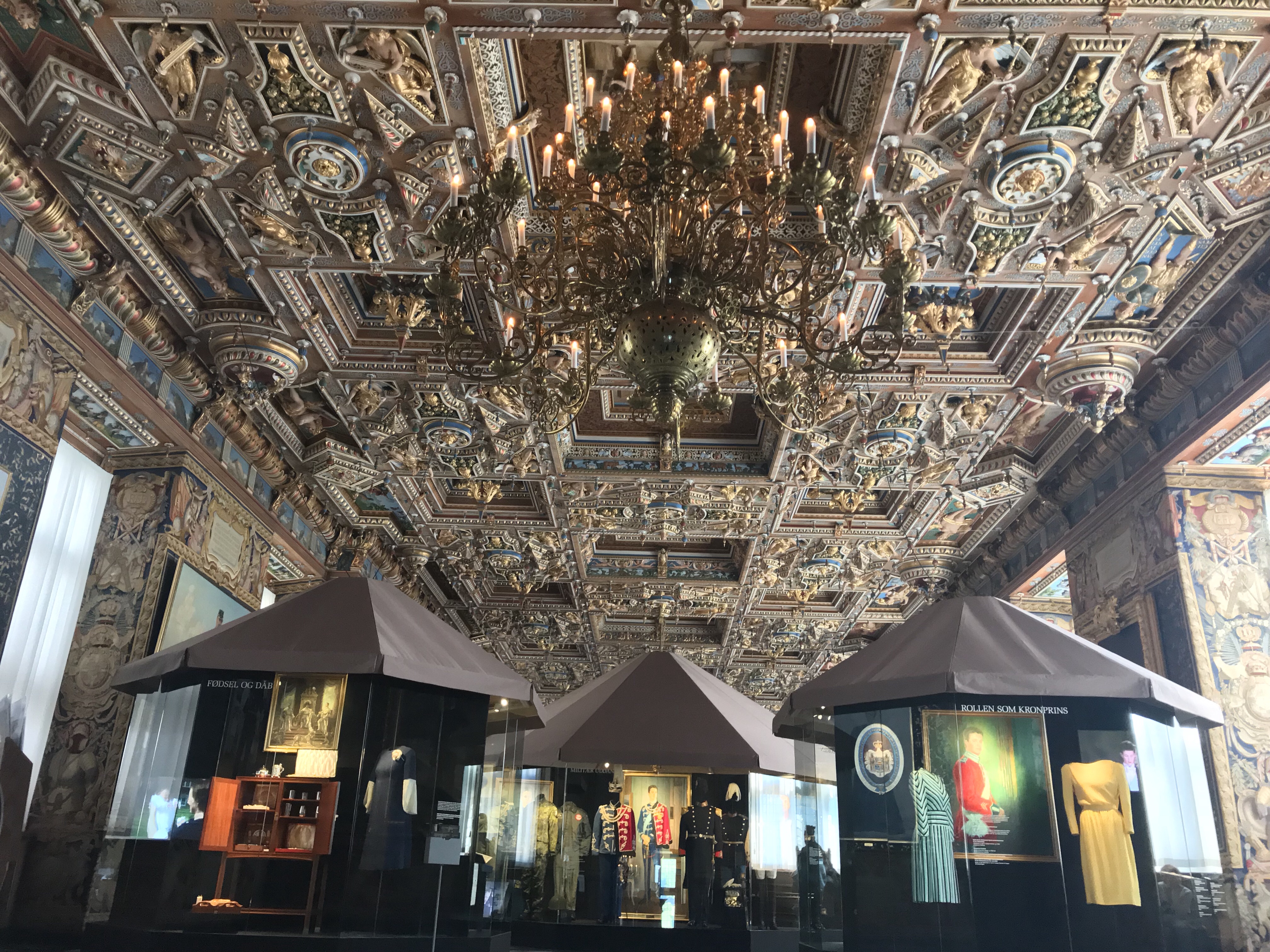
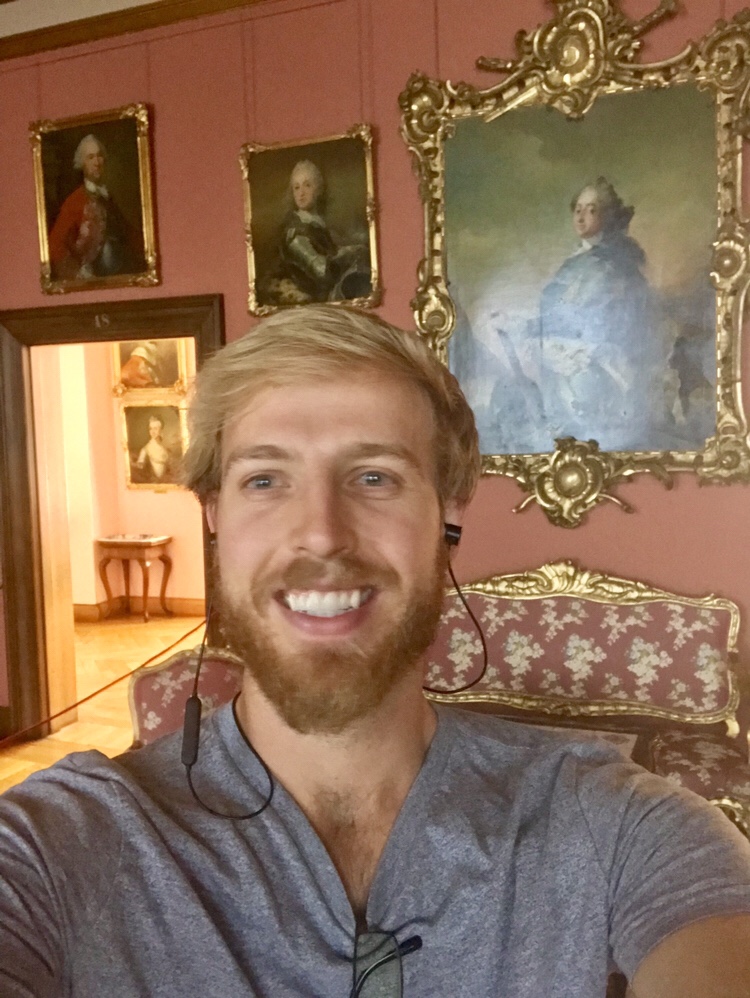
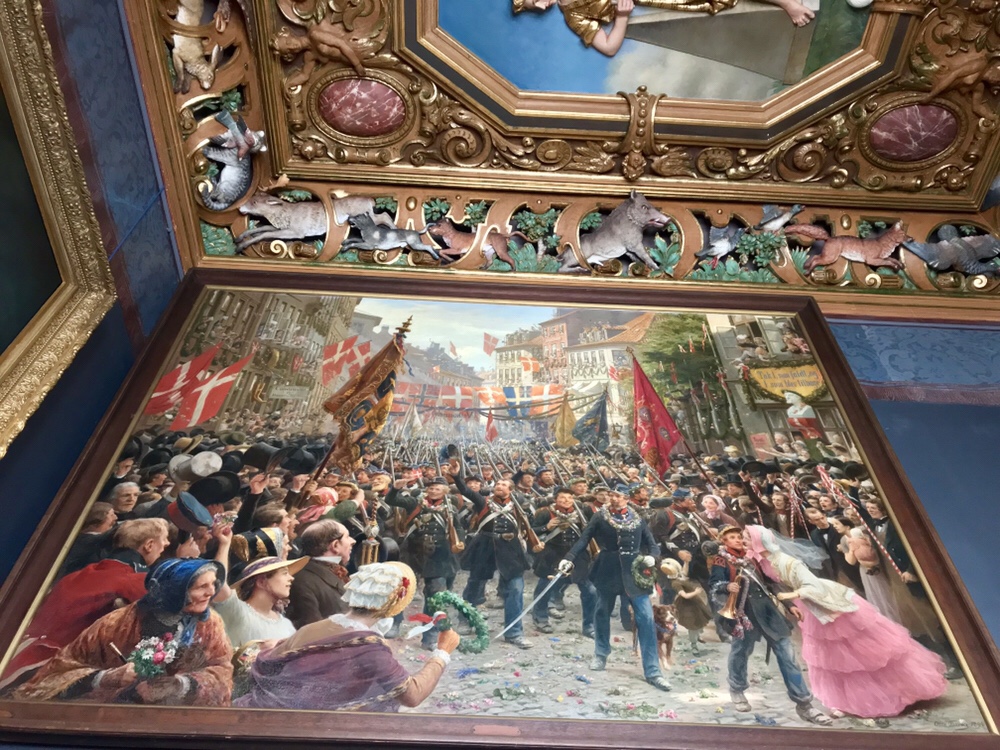
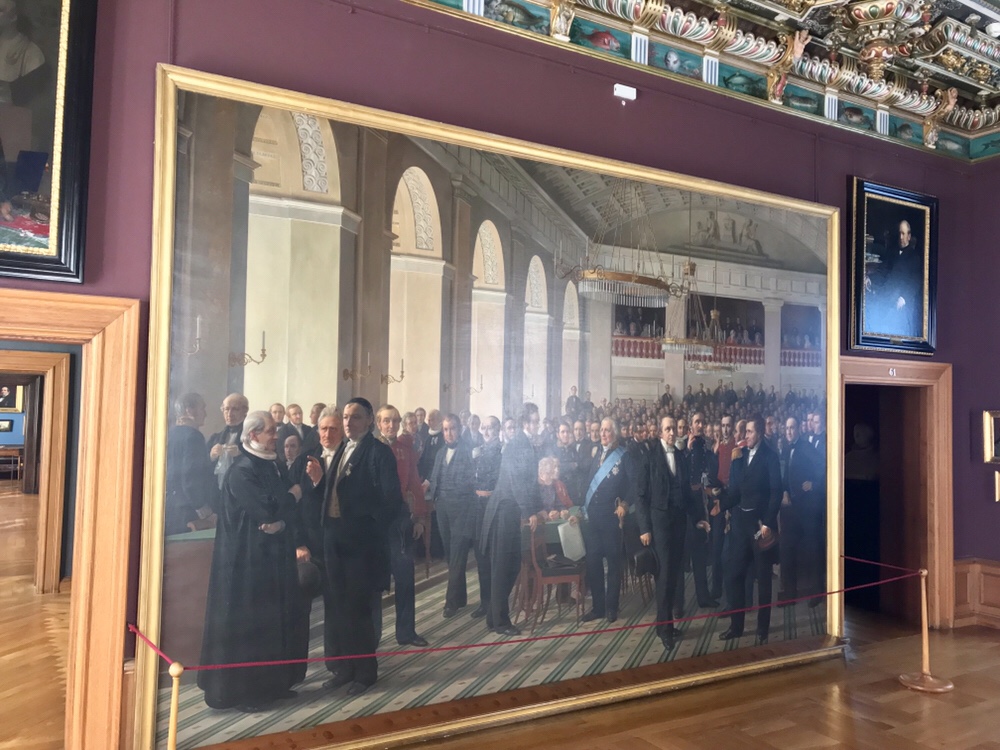
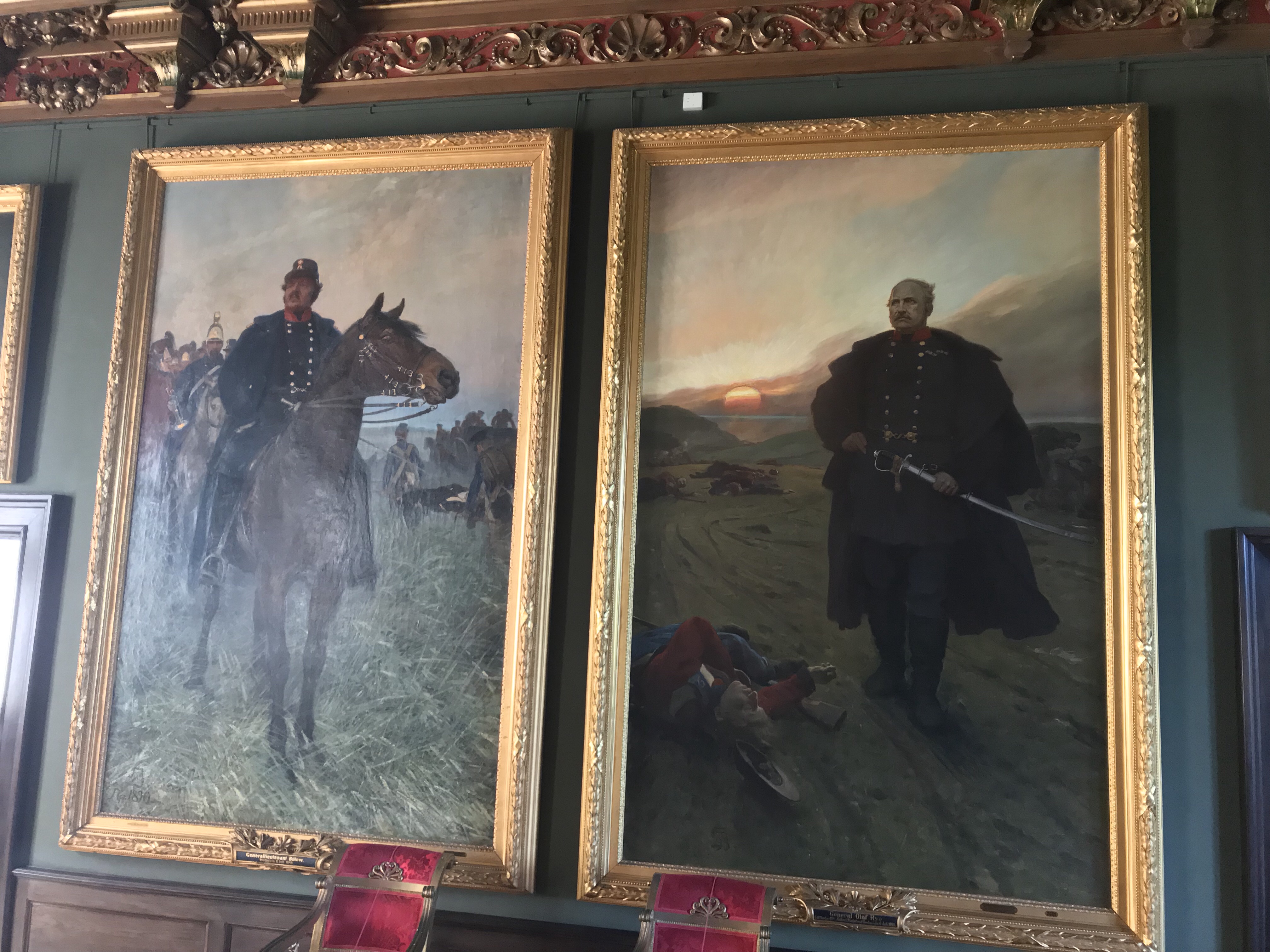
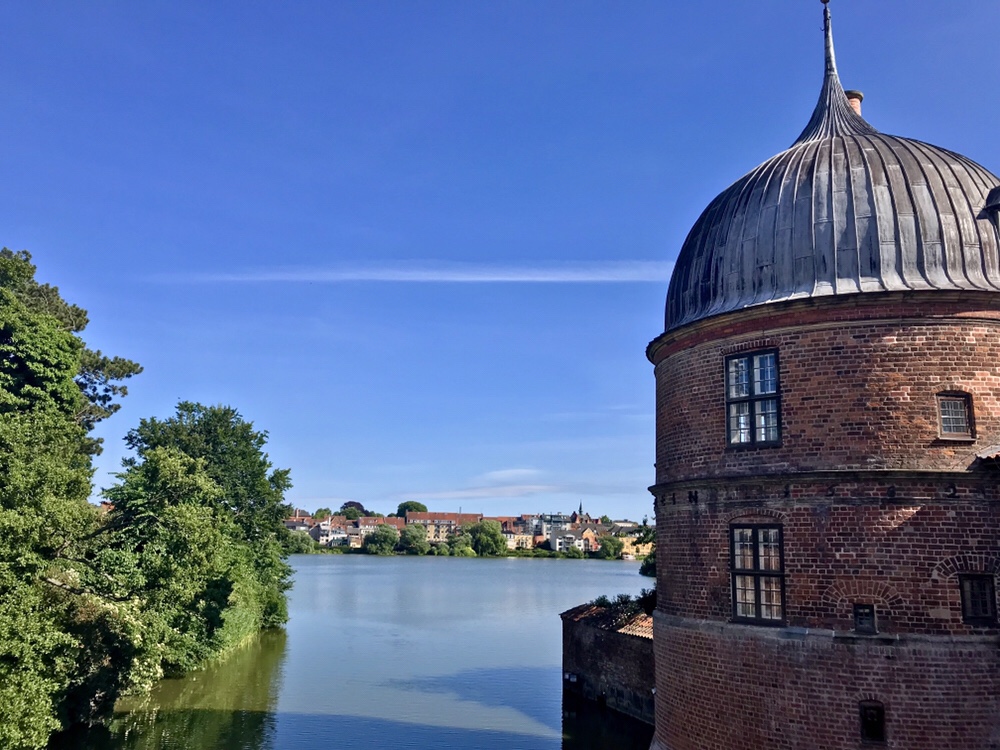
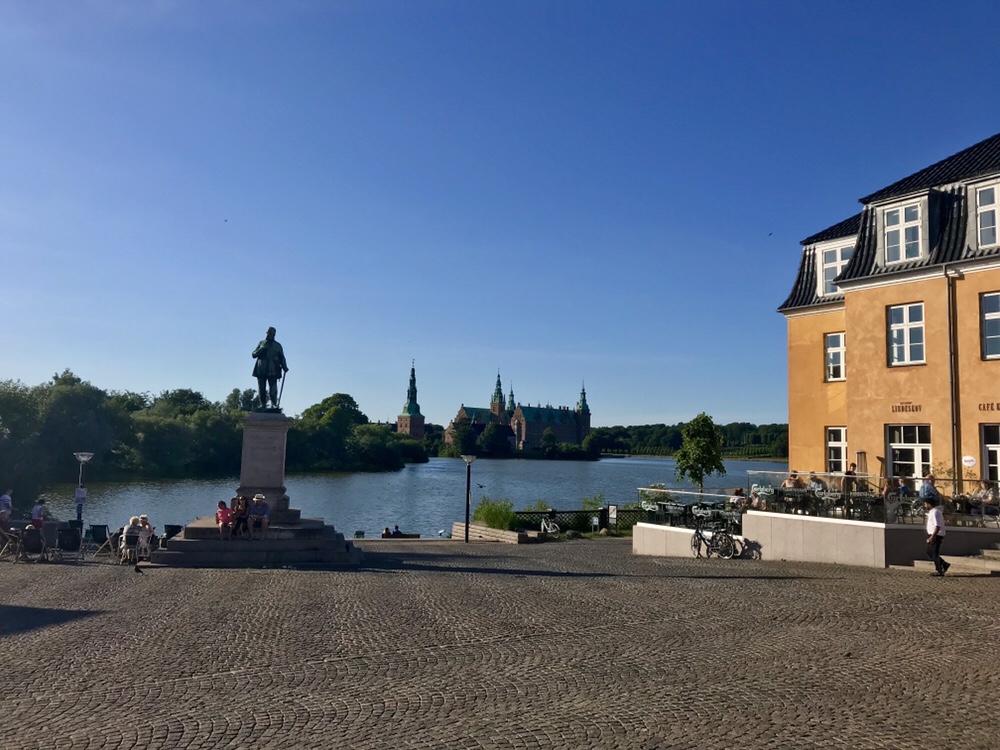
 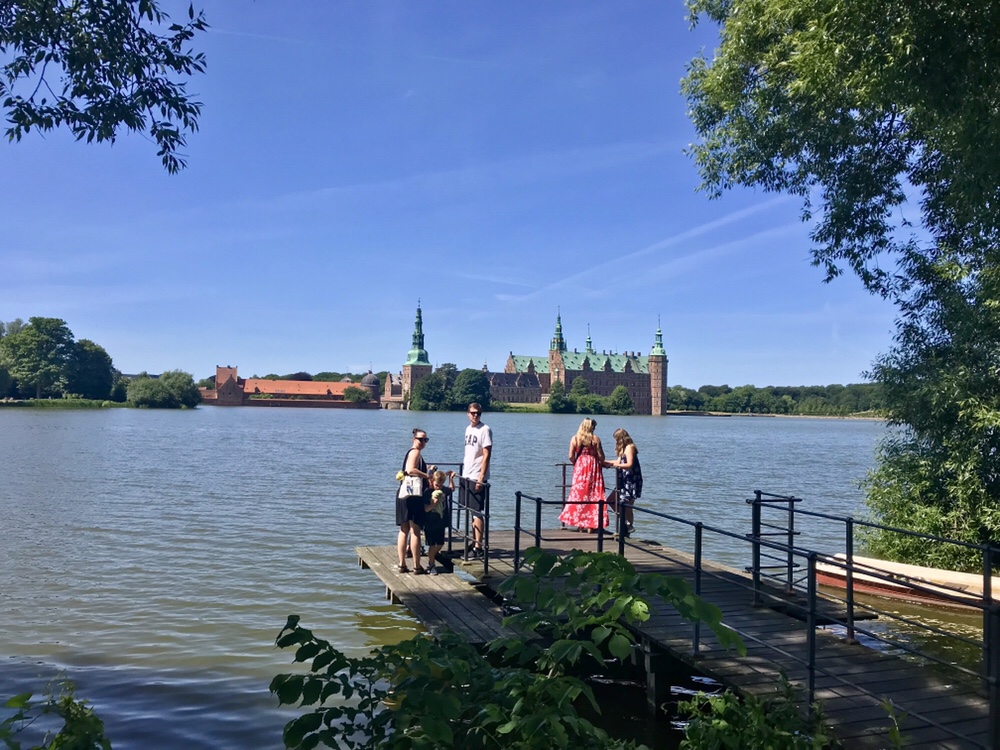 Located in the old Royal Palace, the Denmark National History Museum, albeit impressive and grandiose, leaves you wondering what kind of history you’re learning about. After walking around for nearly 2 hours, reading the literature and listening to the guided audio tour, it seems the national history is almost solely focused on the lives and conquests of the royal family. If you’re interested in the history of life in the country or how regular Danes (regular folk like you or I) have lived, good luck. Supposedly this extremely ornate castle burnt down 1 or 2 times – and yet somehow the royal family was able to rebuild it perfectly multiple times (along with maintaining and occasionally rebuilding the other 8 palaces exclusively for their use). At some point in the 1800s, the country decided that a democratically elected body that gave the common citizen some voice in how their country was spending their taxes or who they were warring with next (probably Sweden again….) Even more interesting is that when talking to Danes in Copenhagen, many of them are unfamiliar with their country’s history and haven’t been to these museums. Funny and sad that on their national holiday, there are more foreigners at the national museum than Danes.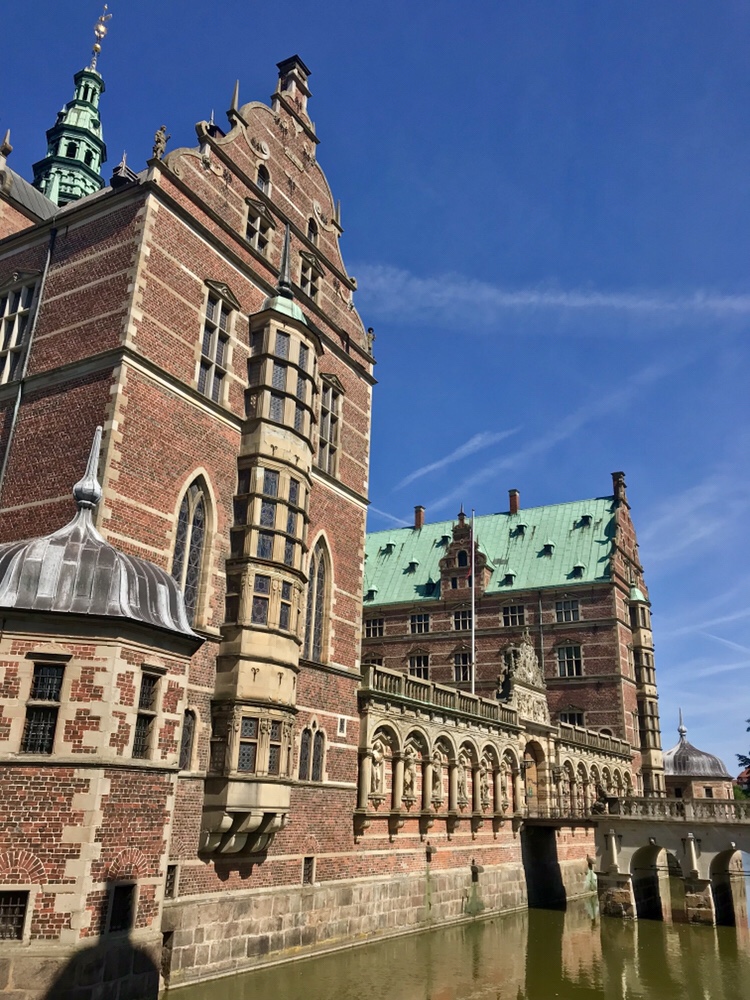











 “Beer, Coke, or Water – as you wish!” This is a common phrase you’ll hear all around Cartagena (the expensive coastal Caribbean city in the north of Colombia) especially if you look like a gringo (white foreigner, or more honestly…Americano). It has been said that people love choices. Especially the freedom of choice. Seems like the street salesforce of Cartagena follows the same logic. But what does freedom of choice really mean? Are you truly free to choose whatever your heart desires? Or perhaps your choices are a reflection of what is available to you in your environment. How do our lives change when the available options, and thus our choices, are changed? For example, we often hear people say things like “I don’t really like to exercise that much. The gym and the healthy food market is so far away and after work I’m just too tired to go. I know I should lose weight and eat better and I even have friends and family that do just that, but I guess I’m just not that kind of person.” Our protagonist, let’s call her Jane, may have no other choice but to work and commute long hours, while also living in an affordable part of town that may not have a gym or healthy market nearby. Jane certainly has a problem on her hands. Over 70% of Americans are overweight – so we can assume by her comments that she too is struggling to control her weight. If she doesn’t do something, she could end up with a whole host of health issues, from increased blood pressure, inflammation, self-image and esteem issues, and even premature mortality. Unfortunately, to make matters worse, Jane has taken what should be classified as a problem with her environment, and instead placed a negative judgment on herself. It’s not that most jobs or transportation options force her into a sedentary lifestyle or that there isn’t enough nature, parks, and gyms available in her neighborhood, it’s that she come to believe she’s just not that kind of person. Depending upon how long she thinks this and how many people she tells this to, she might fully cement this idea in her mind – self fulfilling prophecy that isn’t true. Ideas are contagious, even if they aren’t true. Jane does have an opportunity to reframe the situation and ask herself why – why does she fail to exercise when her friends and family members are able to? What is it about her life and her situation (instead of a quick and judgmental critique on her character) that might cause this? Unfortunately, Jane has little control over her environment. It’s not necessarily easy for her to change to a more active job or move neighborhoods. She certainly will struggle to build her own gym or petition for more active areas in her part of town. There’s a good chance that Jane hasn’t failed herself. Her community leaders have a responsibility to Jane to improve her environment – so that it works with her to lead a better life and doesn’t cause her to struggle and blame herself for things outside her control. Improved commuting options, from dedicated bike lanes to efficient mass transportation would allow Jane to spend less time sitting and even allow her to exercise while she commutes. Health-focused grocery stores that don’t tempt Jane with intentional unhealthy options along the standard shopping path and at check-out would immediately and positively change her options and thus her choices. Jane has a variety of options for change but here are two obvious options: 1. Move to a different area (and find a new job) where the civic and community leaders are make decisions in their people’s best interest. 2. Organize with her neighbors and fellow citizens, who likely are struggling with the same challenges, to demand change. Jane can choose to not act and think poorly of herself, but this is still a choice Let’s hope for Jane (and the community’s sake) that she chooses the water and not the beer or coke.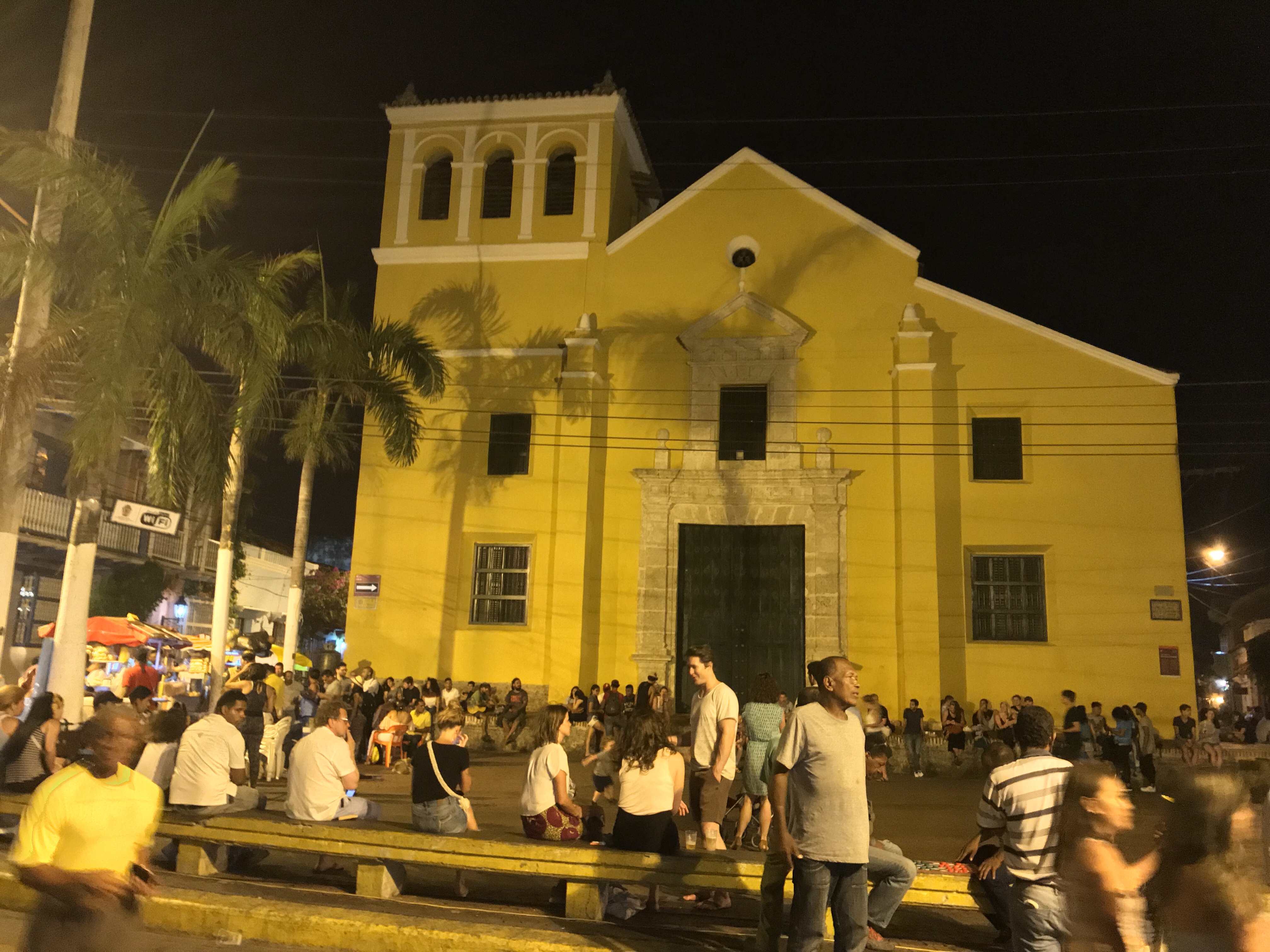

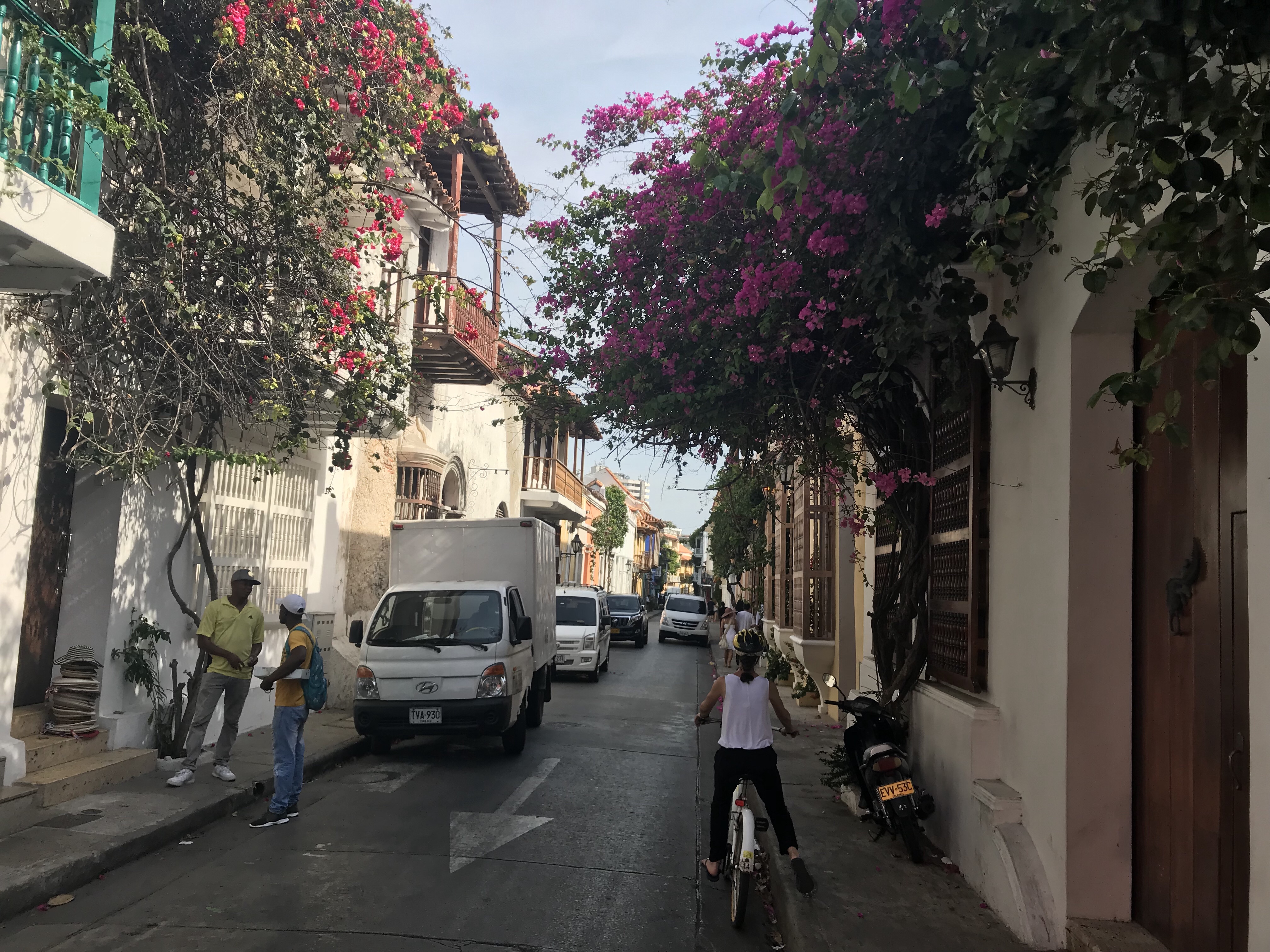


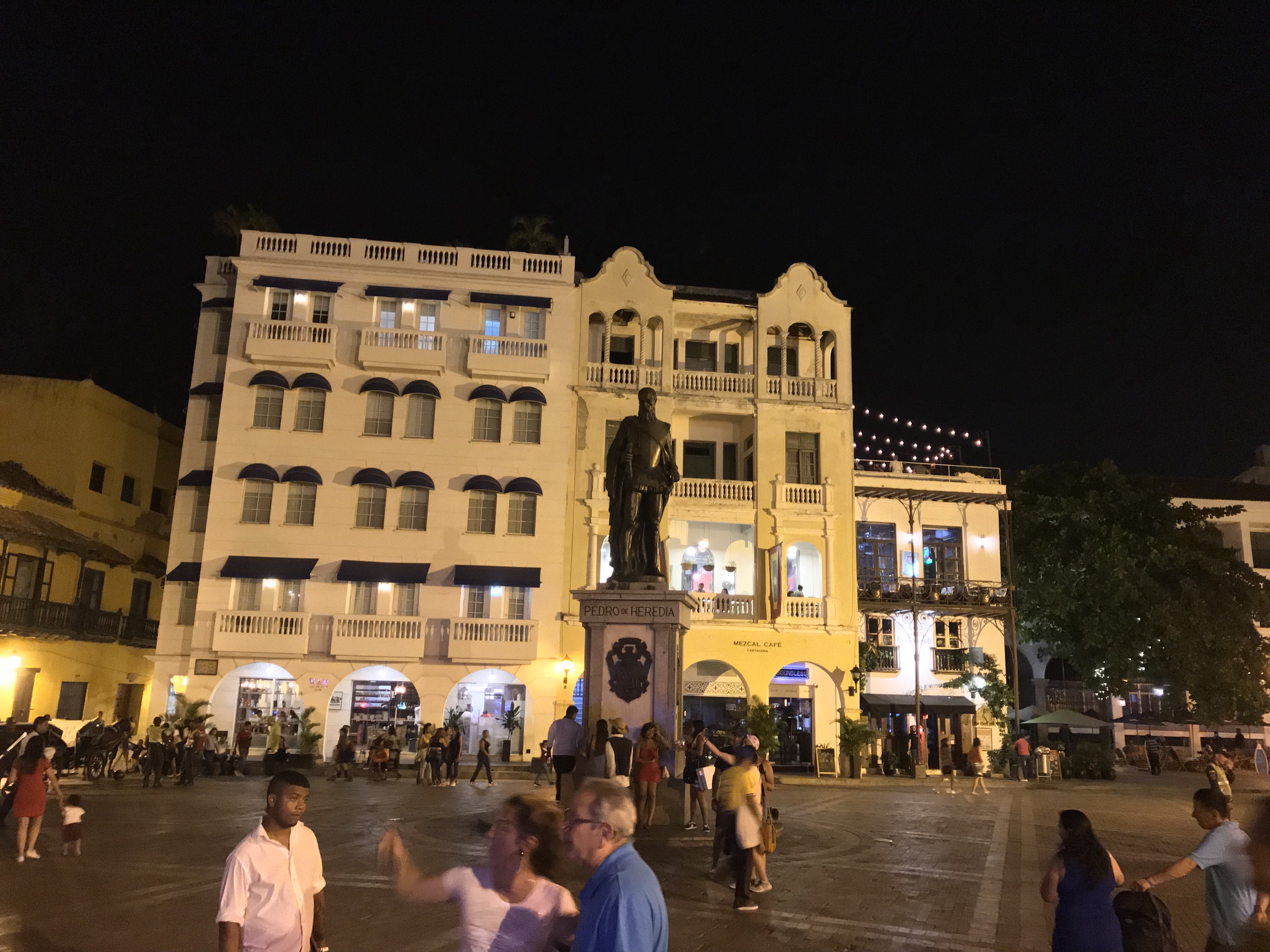
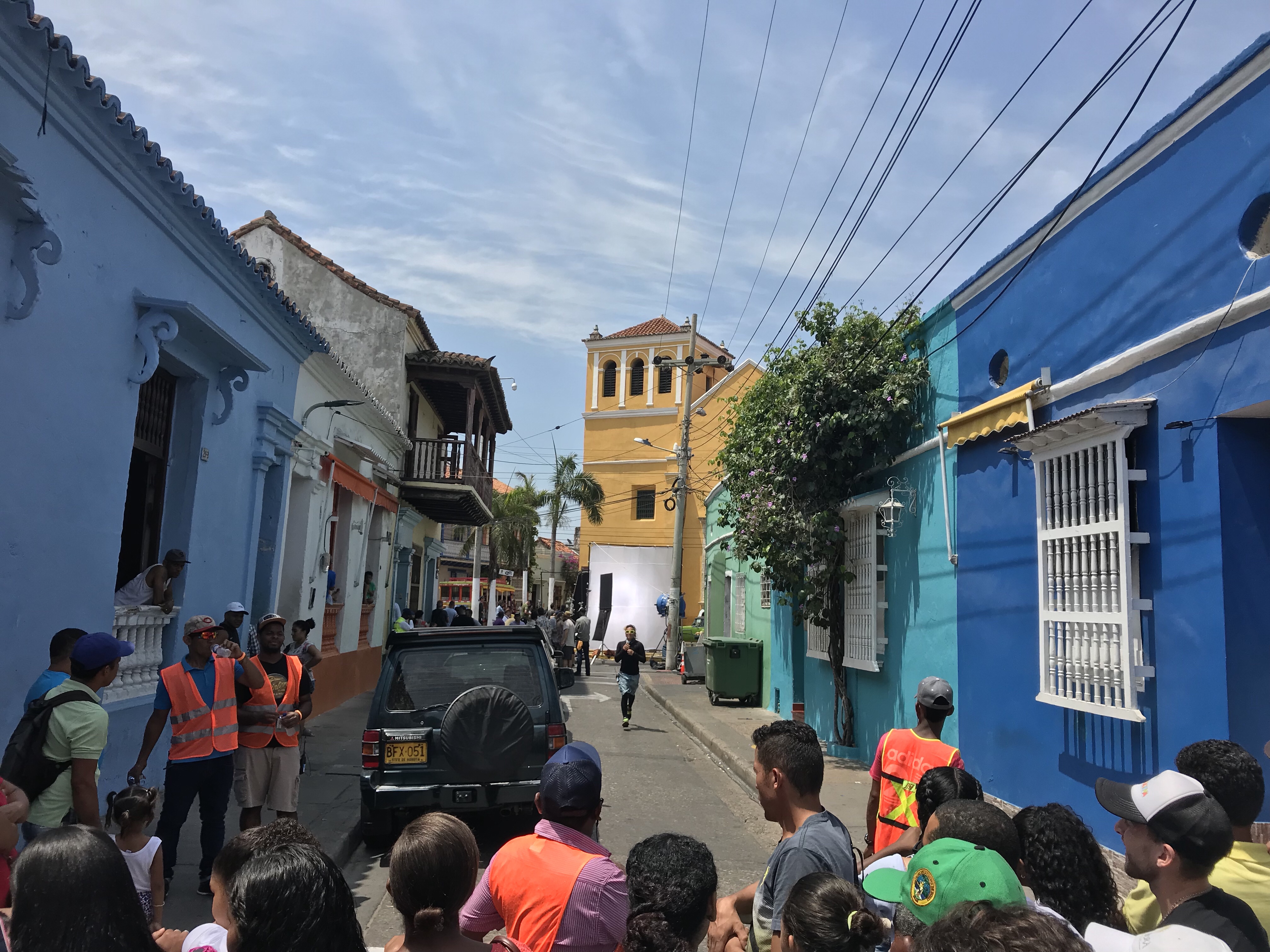
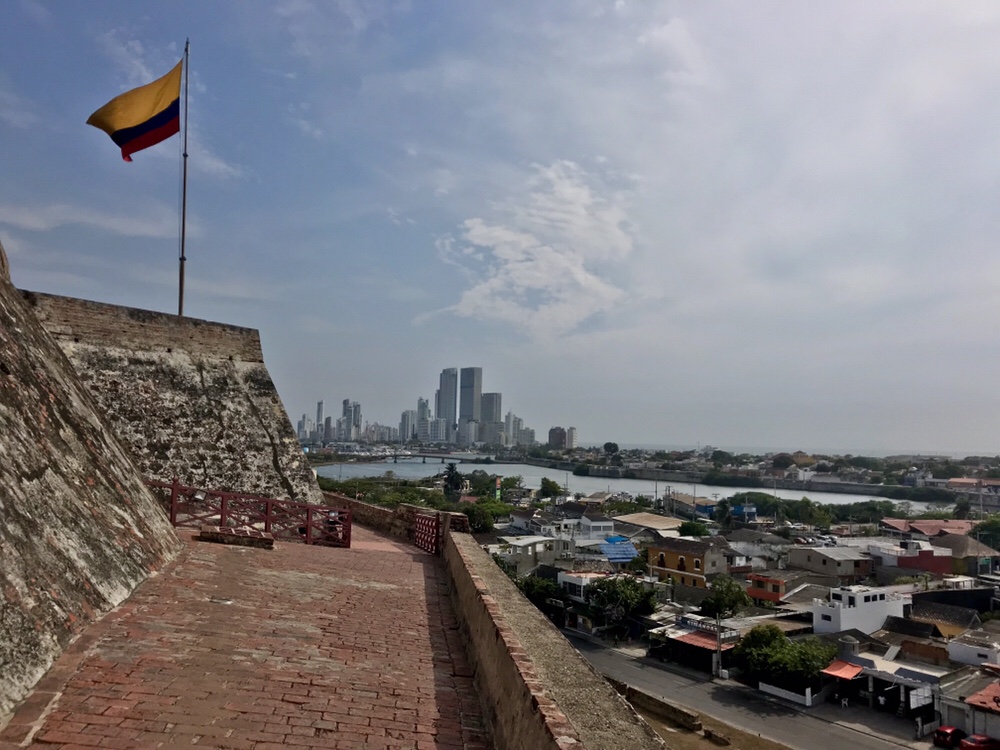
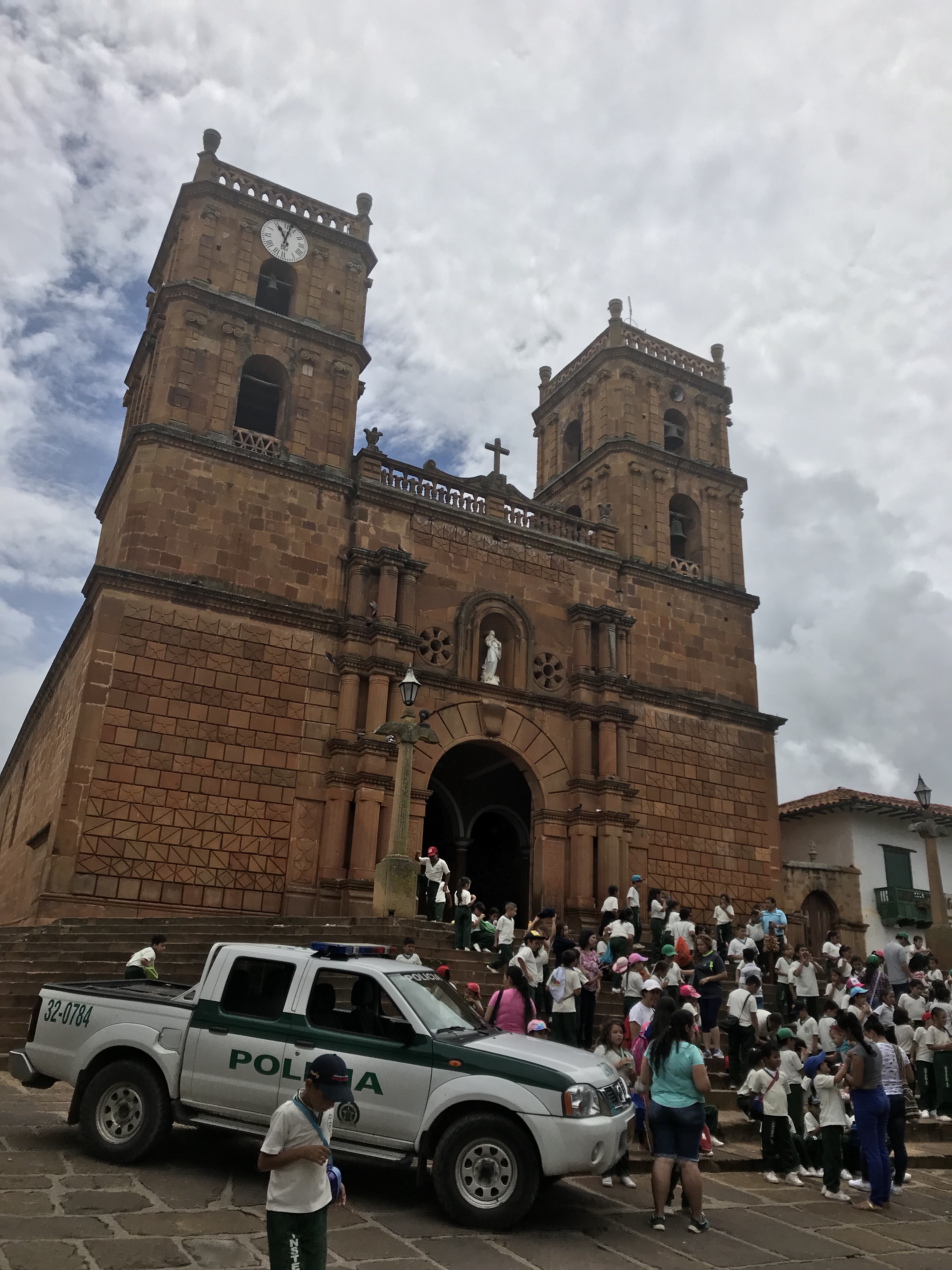
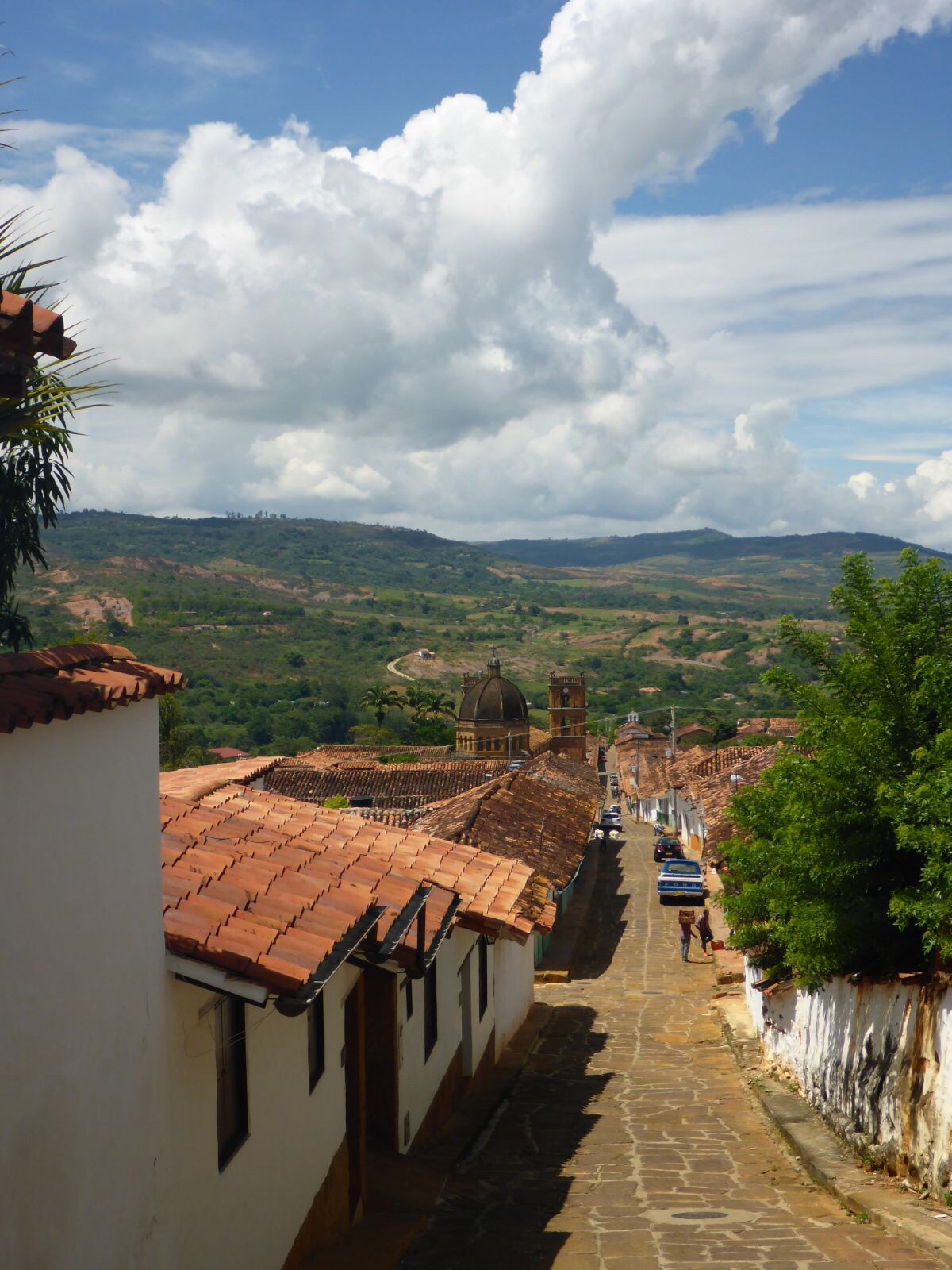 Ever wonder why everyone seems to love small towns? Why is it that small towns are often able to self regulate without the need for endless laws, regulations, and policies? What allows them to function without most of the complexities of “advanced” metropolitan mega cities? It’s not even just that they seem to function smoothly with less crime, less liter, and more happiness – have you witnessed how visitors from big cities almost immediately profess how cute, nice, and peaceful they are. This feeling doesn’t seem to transfer well in the inverse. People from big cities are often relieved to head out of town and dread coming back. Smaller communities seem to fit well with the following social psychology theories broken windows theory, bystander effect, tragedy of the commons, and lastly behavior normalization. Power (political and economic) ends up being decentralized as the community self regulates and dulls extreme behaviors. The average citizen and the “decision makers” are also much more likely to come into contact. The downsides are few from what I’ve witnessed but for a balanced perspective, I list them below: – tradition will often trump new ideas and innovation – fewer niche/speciality services and product available – claustrophobic feelings – bad for profit – quality of life ends up being moderate instead of at the extremes (unlikely to produce many Bill Gates or Steve Jobs or homeless camps) We’re left to wonder if people would even want to live in big cities if it weren’t one of the few places they could earn an income (aka sell their labor).



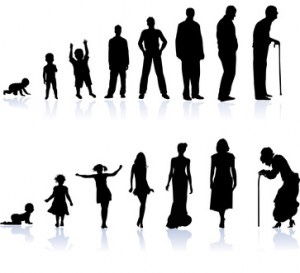 Learn -> Earn -> Give During a training session at my first job, the guest facilitator (lawyer in his 50s) spoke about his philosophy on the different phases of life. He saw 3 distinct phases, each taking up roughly one 3rd of 90 years – learning, earning, and giving. Learn – developing yourself is absolutely crucial. Avoid experiences that are focused on “grinding” for making money. Earn – focus on earning a (moral and sustainable) livelihood, so that you can support giving/mentoring phase. Give – focus on mentoring, giving back, and ideally making the world a better place, not just for yourself, but for those that come after. To be honest, something about this never sat right with me. While the simplicity is appealing for comprehension and integration into life, I haven’t really been satisfied with the fragmented nature of this phased approach. Ideally, you should be able to establish a way to do all 3 at the same time. Learning should be a worthy endeavor for it’s own sake (interesting, fun), not because it allows you to generate more income. What happens to our ability to improve when we stop learning? When we think what we know or what we’re doing is good enough?
  It’s shocking that the 3 weeks I took to visit and stay with friends is more vacation than most people get per year (in the USA). When are we to reflect on what’s happening in our lives if not for relaxed time with friends and family? People whom we can trust to be open and vulnerable and reciprocate such things. Our ability to do this has significantly decreased over the years. Due to the increased time demands placed on workers by organizations, as well as the fact that many people don’t live near to family or change jobs/residences often, we are losing something that is critical to our growth and development – a safe space to think and speak openly. Taking time to see friends and family in their “Business as Usual” mode enlightens us to their experience. Often we have glimpses of this through pre-planned vacations and holidays but it is often a momentary reprieve from their true experience – an out of body experience from what is more constant. What do we gain from this time with them in such an environment? We’re often left baffled as to why people behave in certain ways. Why they make certain choices when we believe we would do things differently. For unless we truly understand their existence, past and present, we simply cannot understand the individual or their behavior. If we don’t understand their experience, how can we get along? Cooperate? Strive together towards improvement of not only our own existence, but theirs as well. We have reached this point as a species because we’ve been able to set aside whatever our differences and work together towards something we all care about. Simply put, without shared experiences, there won’t be empathy; without empathy, there will be no cooperation; without cooperation, there will be conflict and little improvement.